
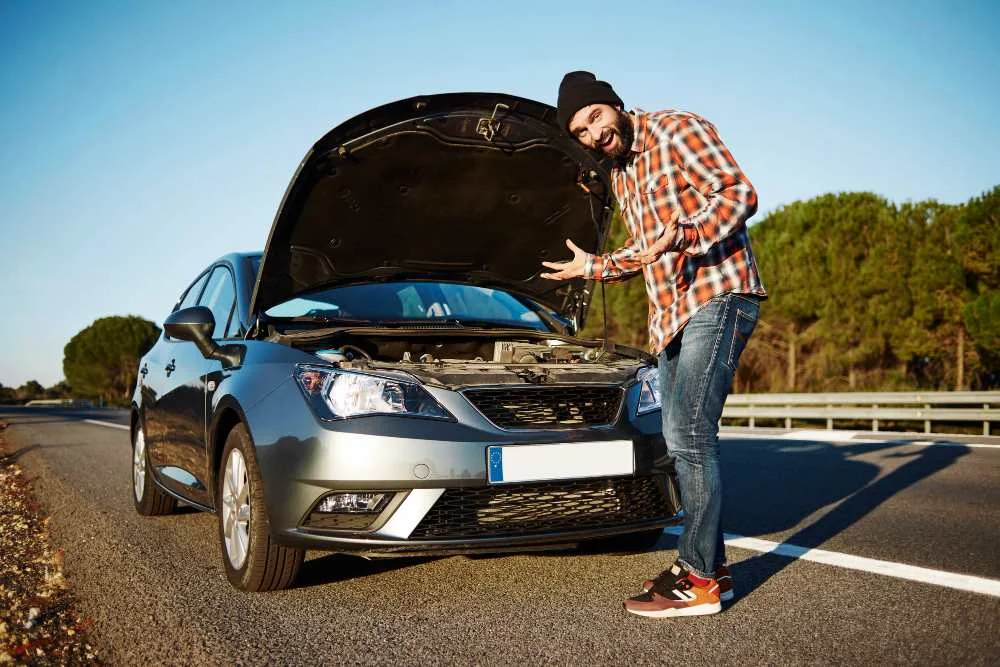
If your car breaks down, turn on the hazard lights, move to a safe location, and exit the vehicle carefully. Then call roadside assistance and stay visible and away from traffic until help arrives.
Breaking down is one of those things nobody plans for but somehow always happens at the worst possible time. Usually in the rain. Or at night. Or when your phone battery is hanging on at 3% like it has personal grudges.
Knowing exactly what to do if your car breaks down is not just about convenience; it’s about safety. Whether you’re on a busy motorway or a quiet country road, your actions in those first few minutes matter more than most people realise.
This guide walks you through everything you need to do, step by step, without the panic and guesswork.
Stay Calm and Assess the Situation
First things first, don’t panic. Your car stopping doesn’t automatically mean disaster, even if your brain immediately jumps there.
Take a breath and try to understand what’s happening:
- Did the engine suddenly cut out?
- Are there warning lights on the dashboard?
- Is there smoke or a strange smell?
If the car is still moving, your priority is to maintain control and steer it to a safe location.
Move Your Vehicle to a Safe Spot
If your car is still operational, even slightly, guide it off the road as safely as possible.
Ideal places include:
- The hard shoulder on a motorway
- A lay-by
- A quiet side street
- The left side of the road, away from traffic
Avoid stopping on blind corners or narrow roads unless you have no choice.
Once stopped, turn your wheels away from traffic and apply the handbrake. You don’t need your car rolling off and making things dramatically worse.
Turn on Hazard Lights Immediately
Your hazard lights are not decorative. Use them.
They signal to other drivers that something is wrong and that they should approach with caution. In poor visibility conditions like fog, rain, or darkness, they are essential.
If your lights aren’t working, well, congratulations, things just got more interesting. In that case, you’ll need to be extra cautious and move yourself away from traffic as quickly as possible.
Exit the Vehicle Safely
If you’re on a busy road, staying inside the car is not always the safest option.
- Exit through the passenger side if traffic is passing on the driver’s side
- Move well away from the road
- Stand behind a barrier if there is one
If you’re on a motorway, never stay inside the vehicle unless it’s absolutely unavoidable. Cars passing at high speed are not known for their forgiveness.
Use a Warning Triangle (If Safe to Do So)
A warning triangle can give other drivers advance notice of your breakdown.
Place it:
- At least 45 metres behind your vehicle
- Further back if visibility is poor
However, do not attempt this on motorways. Walking along a motorway is a terrible idea disguised as bravery.
Call for Roadside Assistance
Unless you’re secretly a mechanic with tools in your boot, this is where you call for help.
Contact:
- Your breakdown cover provider
- A local recovery service
- Emergency services if you’re in immediate danger
This is where services like Fast Recovery Services London come into play, offering quick and professional assistance when you’re stuck and going nowhere fast.
Be ready to provide:
- Your exact location
- Vehicle details
- Description of the problem
If you don’t know your location, check road signs, landmarks, or use your phone’s GPS.
Stay Visible and Safe While Waiting
Waiting for help can feel like forever, especially if it’s cold or dark.
Here’s how to stay safe:
- Wear a high-visibility jacket if you have one
- Stay away from traffic
- Keep your phone charged (or at least alive long enough to complain about the situation)
If you’re with passengers, make sure everyone is out of harm’s way.
Common Causes of Car Breakdowns
Understanding why cars break down helps you avoid repeating the experience like some unfortunate sequel.
Battery Failure
Dead batteries are responsible for a huge number of breakdowns. Cold weather, old batteries, or leaving lights on can all drain power.
Flat Tyres
Potholes, nails, or worn tyres can lead to sudden punctures. Always keep a spare tyre and know how to use it, or at least pretend convincingly until help arrives.
Engine Overheating
Low coolant levels or radiator issues can cause overheating. If you see steam, stop immediately unless you enjoy expensive repairs.
Fuel Issues
Running out of fuel is more common than expected. Yes, this still happens quite often.
Electrical Faults
Modern vehicles depend heavily on electronic systems, so even a minor fault can affect overall performance.
Can You Fix It Yourself?
Sometimes, yes. Sometimes, absolutely not.
You might be able to:
- Jump-start a flat battery
- Change a tyre
- Add coolant or engine oil
You should not attempt:
- Complex engine repairs
- Electrical diagnostics without proper tools
- Anything you don’t understand
Confidence is great. Guesswork on a broken car is less impressive.
What to Do on a Motorway Breakdown
Motorways require extra caution because traffic is faster and less forgiving.
- Pull over onto the hard shoulder immediately
- Angle the wheels away from traffic flow
- Leave the vehicle carefully and wait behind the safety barrier
- Call emergency roadside assistance as soon as possible
If you can’t reach the hard shoulder, stay inside with your seatbelt on and call emergency services.
Preventing Future Breakdowns
You can avoid a lot of roadside drama with basic maintenance.
- Regular servicing
- Checking tyre pressure and condition
- Keeping fuel levels above empty (shocking concept, apparently)
- Monitoring warning lights
- Replacing old batteries
Preventive care is cheaper than emergency recovery. Also, less embarrassing.
What to Keep in Your Car for Emergencies
A few essentials can turn a bad situation into a manageable one:
- High-visibility jacket
- Warning triangle
- Torch
- Phone charger
- First aid kit
- Jump leads
- Bottled water
Think of it as your survival kit for when your car decides to quit life.
Conclusion
Breaking down is inconvenient, stressful, and occasionally a test of your patience with both machines and life itself.
But if you know what to do if your car breaks down, you can handle the situation calmly and safely. The key is preparation, awareness, and making smart decisions under pressure.
Cars fail. That’s just reality. The difference is whether you’re the person who handles it properly or the one standing in the road Googling what a hazard light is.
FAQs (People Also Ask)
What should I do immediately if my car breaks down?
You should turn on hazard lights, move your vehicle to a safe location, and exit safely if needed. Then call for roadside assistance.
Is it safe to stay inside a broken-down car?
It depends on the location. On busy roads or motorways, it’s safer to exit and move away from traffic.
Can I drive a car after it starts overheating?
No, driving an overheating car can cause severe engine damage. Stop immediately and allow it to cool.
Do I need breakdown cover?
It’s highly recommended, as it provides quick help and reduces stress during unexpected breakdowns.
What are the most common reasons cars break down?
Battery failure, flat tyres, overheating, fuel issues, and electrical faults are the most common causes.